
When curls feel rough, look dull, and break apart instead of clumping, it’s usually not “just frizz.” It’s often a mix of dehydration, damage, and imbalance—meaning your hair is missing what it needs to stay elastic, strong, and defined.
Curl Rehab
Curl Rehab for Dryness & Damage:
Bring Your Curls Back to Life

Curl Rehab is a recovery-focused service and routine reset that helps restore softness, bounce, and curl integrity without weighing hair down or flattening volume. The goal is simple: healthier curls that feel better and behave better—starting immediately, and improving over time.
What “Curl Rehab” Really Means
Most people use “dry” and “damaged” like they’re the same thing, but they’re not.
- Dryness is usually a moisture problem: the hair lacks water and the surface feels rough.
- Damage is often a structure problem: the hair has lost strength, elasticity, and its ability to hold shape.
You can have one without the other. You can also have both.
Curl Rehab addresses curls that have stopped performing the way they used to—whether that’s from heat styling, color, sun exposure, hard water, mechanical wear (brushing, tight ponytails), or simply years of buildup and stress.
This is not a “miracle mask” claim. It’s a strategic reset: repair where repair is possible, hydrate where hydration is needed, and rebuild a routine that keeps progress moving forward.
Who Curl Rehab Is Best For
Curl Rehab is ideal if your curls have started to feel high-maintenance, inconsistent, or fragile.
It’s a strong fit if you notice:
Your curls look stringy or break into fuzzy pieces instead of clumping.
Your hair feels rough or brittle, especially at the ends.
You’ve lost bounce—curls stretch out and don’t spring back like they used to.
You have breakage around the crown, hairline, or mid-lengths.
Your hair is tangling more than usual or snapping during detangling.
Your curl pattern looks uneven, and you’re not sure whether it’s technique—or the hair itself.
If any of that sounds familiar, this service is built for you.
The Three Root Causes of “Dead Curls”
When curls stop looking defined, most people try a new product. Sometimes that helps. Often it doesn’t—because the real issue is underneath.
1) Porosity imbalance
Porous hair absorbs moisture quickly and loses it quickly. That causes frizz, roughness, and curls that won’t hold their clumps.
2) Protein–moisture imbalance
Too much protein can make hair feel hard and straw-like. Too little can make curls feel limp, mushy, or unable to hold shape.
3) Buildup (and “fake dryness”)
Buildup from oils, silicones, heavy butters, and hard-water minerals can make hair feel dry even when it’s coated. It blocks moisture from entering and keeps products from working properly.
Curl Rehab targets these three areas systematically—because fixing the wrong one first wastes time and money.
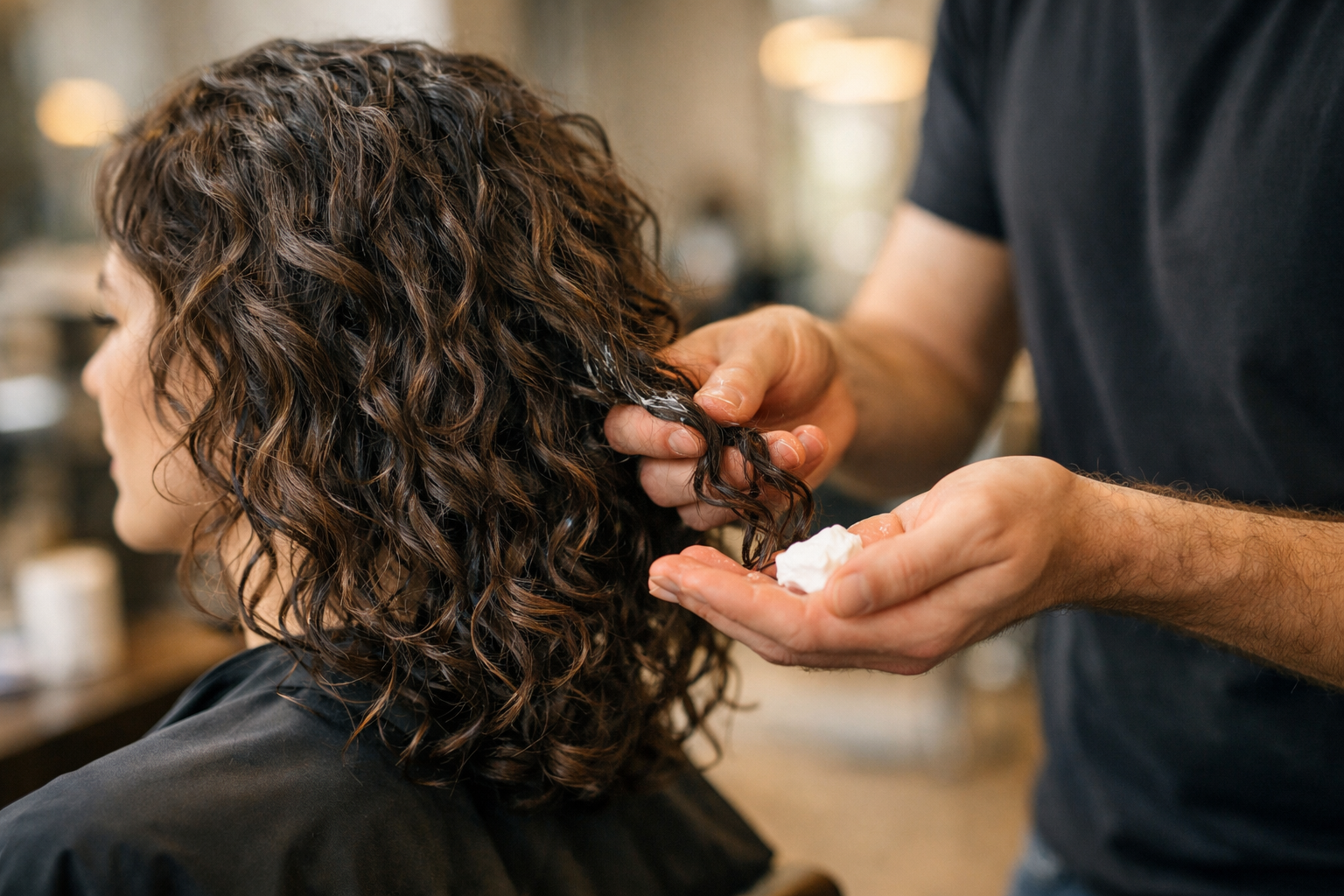
What Happens During a Curl Rehab Appointment
A true rehab session is more than putting a mask on and calling it a day. It should be customized and intentional.
Assessment: what your hair is actually telling us
We look at elasticity, porosity signs, breakage points, curl clumping behavior, and where hair feels compromised. This helps decide whether the priority is hydration, strengthening, clarification, or smoothing.
Reset: removing what’s blocking progress
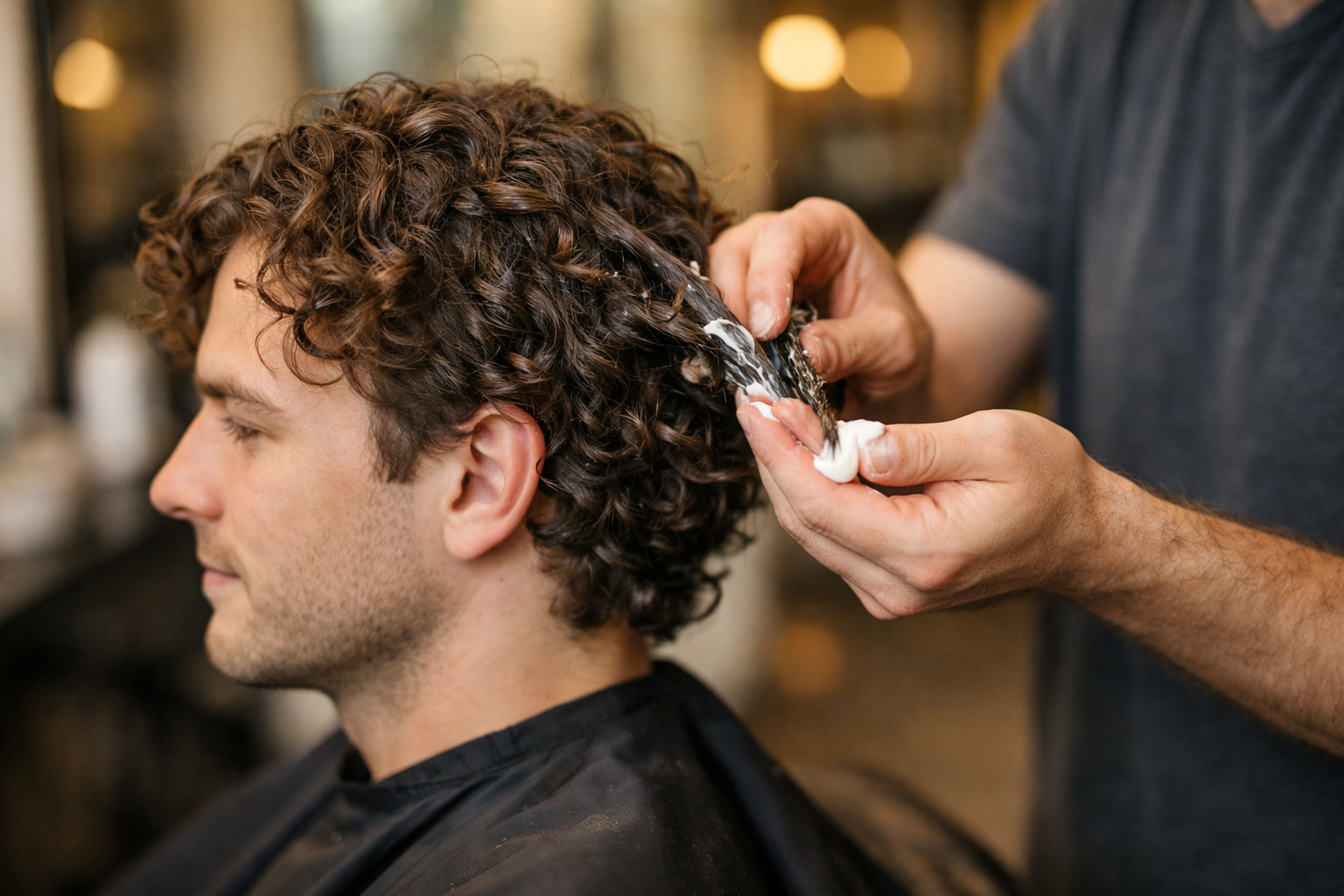
If buildup is present, we remove it gently so your hair can actually receive hydration and treatment. This step is often why clients see an immediate change in definition.
Rebuild: hydration and strength (in the right ratio)
Rehab is about balance. Depending on your hair’s needs, we introduce moisture, strengthening elements, and cuticle support without overloading.
Seal: smoothness and protection
Finally, we leave your hair in a state where it can keep improving at home—less friction, less tangling, better slip, and more consistent curl grouping.
What Results You Can Expect (Realistically)
Most clients feel a difference immediately after a well-designed rehab session.
Common early results include:
- Softer texture and better slip when detangling
- Less “puff” and more cohesive curl clumps
- Improved shine (often because the cuticle is smoother)
- A curl pattern that looks more uniform and springy
If damage is moderate to severe, you should expect progress—not perfection—in one visit. Curls recover through consistency and reduced stress. Rehab is the start of that climb.
How Long Does Curl Rehab Take?
Think of Curl Rehab like physical therapy for hair: there’s a first session, then there’s maintenance.
If your hair is mildly dry or recently stressed, one session can create a big shift.
If your hair has been processed repeatedly or heat-styled for years, rehab works best as a short plan—often 2–4 sessions spaced out—with a supportive routine in between.
The best sign that rehab is working is not only how your hair looks, but how it behaves: less tangling, less snapping, better curl formation, and easier refresh days.
The At-Home Rehab Routine That Actually Helps
Most hair rehab fails at home for one reason: people try to do everything at once.
Instead, we follow a simple structure:
Cleanse intentionally
If you’re using heavy products, you need occasional clarification. If you’re not, gentle cleansing is usually enough. The goal is a clean foundation without stripping.
Condition for slip (not residue)
Slip helps prevent breakage during detangling. But residue can lead to buildup, which creates “fake dryness.” Rinse thoroughly, then add leave-in strategically.
Rebuild with balance
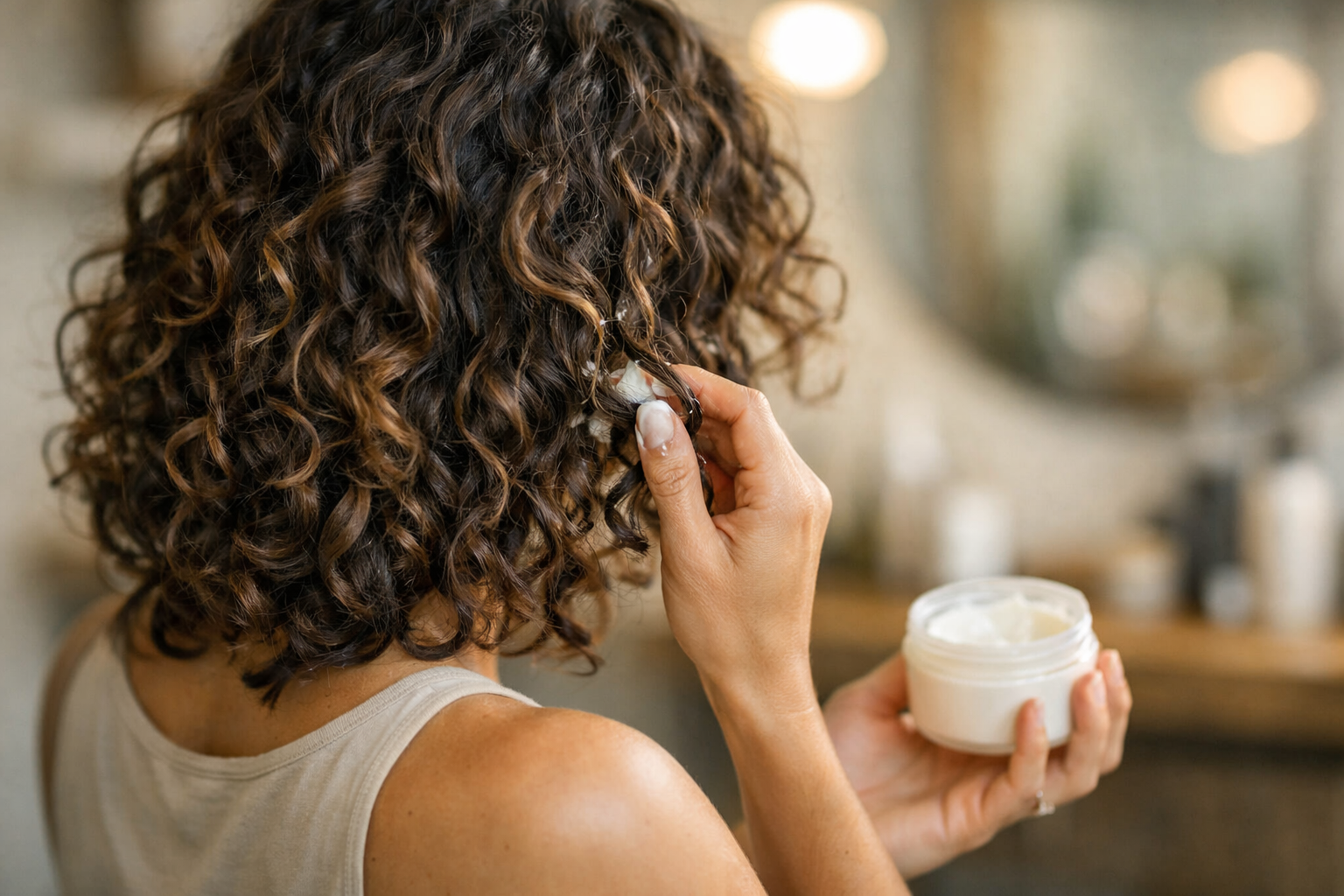
If your hair needs strength, use strengthening products on schedule—without overdoing it. If it needs moisture, prioritize hydration with lightweight layers rather than heavy coatings.
Protect from the everyday damage you don’t notice
Friction is a major hidden cause of curl decline. Sleep protection (satin), gentle detangling tools, and lower-tension styles matter.
Small consistency beats intense “once-a-month” effort.
What to Avoid While You’re Rehabilitating
If your goal is to bring curls back, it helps to remove the silent curl killers.
Avoid aggressive brushing on dry hair. Avoid scorching heat without protection. Avoid constantly switching routines week to week—because you can’t measure what’s working.
Also, be cautious of overly heavy oils and butters if your hair is fine or gets buildup easily. They can create temporary softness but interfere with long-term definition.
Your hair doesn’t need perfection. It needs fewer setbacks.
FAQ
How do I know if my curls are damaged or just dry?
Dry hair feels rough but may still have elasticity. Damaged hair often snaps, stretches without bouncing back, or refuses to form consistent curl clumps.
Can my curl pattern come back after damage?
Often, yes—especially if the issue is buildup, dehydration, or mild damage. Severe heat or chemical damage may not fully “revert,” but rehab can significantly improve softness, definition, and behavior.
Do I need protein for curl rehab?
Sometimes. Protein helps when hair lacks strength and elasticity. But too much can make hair stiff. The right balance depends on how your hair responds.
How often should I do Curl Rehab treatments?
That depends on severity. Many clients start with 1–2 sessions, then maintain as needed. Moderate damage may benefit from a short plan over several weeks.
Will Curl Rehab fix frizz?
It can reduce frizz by improving cuticle condition, porosity balance, and curl clumping. But frizz control also depends on drying technique and using adequate hold.
The Bottom Line
Curl Rehab is for curls that feel like they’ve lost their way—dryness, breakage, dullness, frizz that won’t quit, and definition that disappears too fast. With a targeted reset plus a realistic at-home plan, curls can regain softness, bounce, and clumping without feeling weighed down.
Ready to bring your curls back? Book a Curl Rehab session and leave with a recovery plan that makes your hair easier to manage—and healthier over time.


